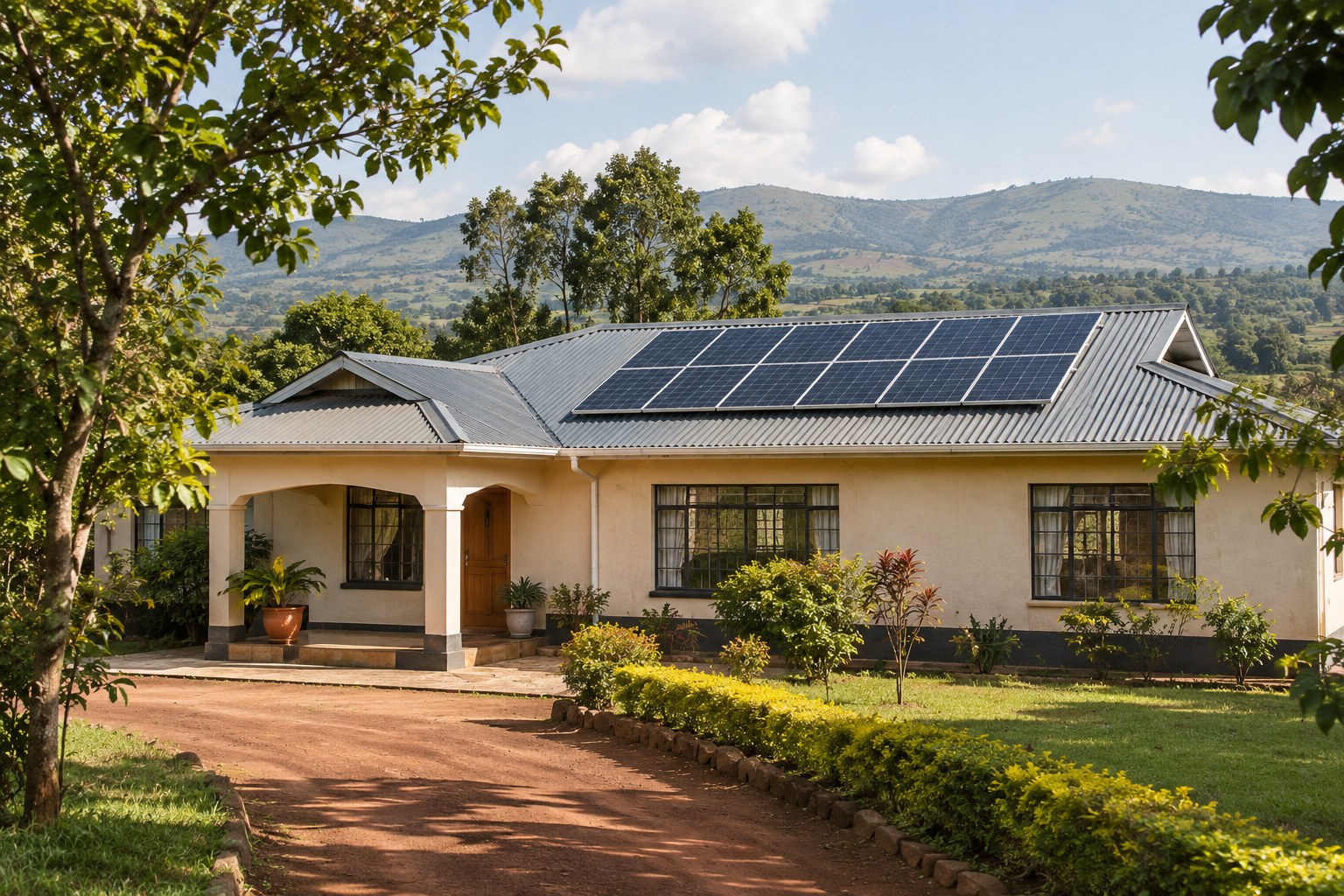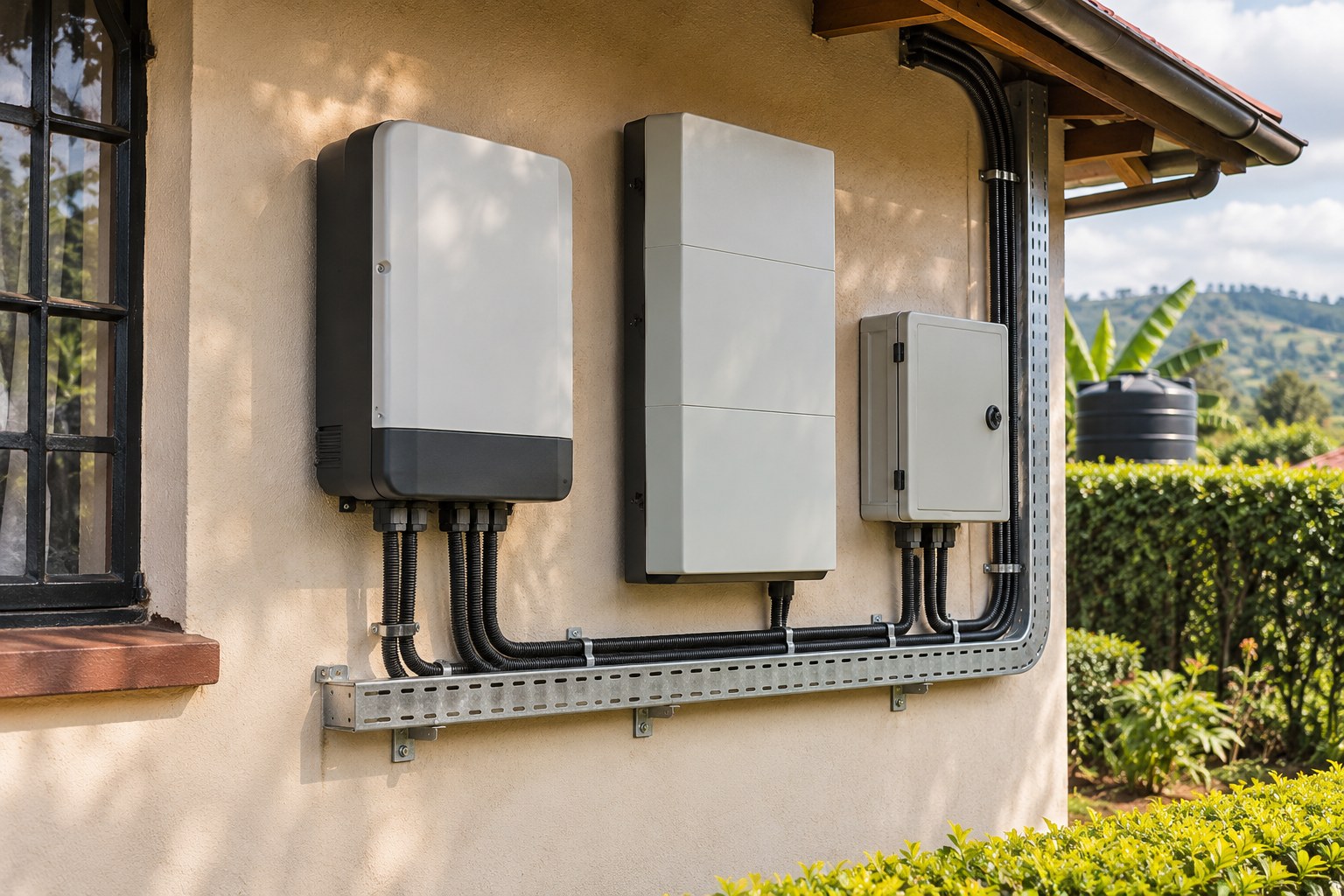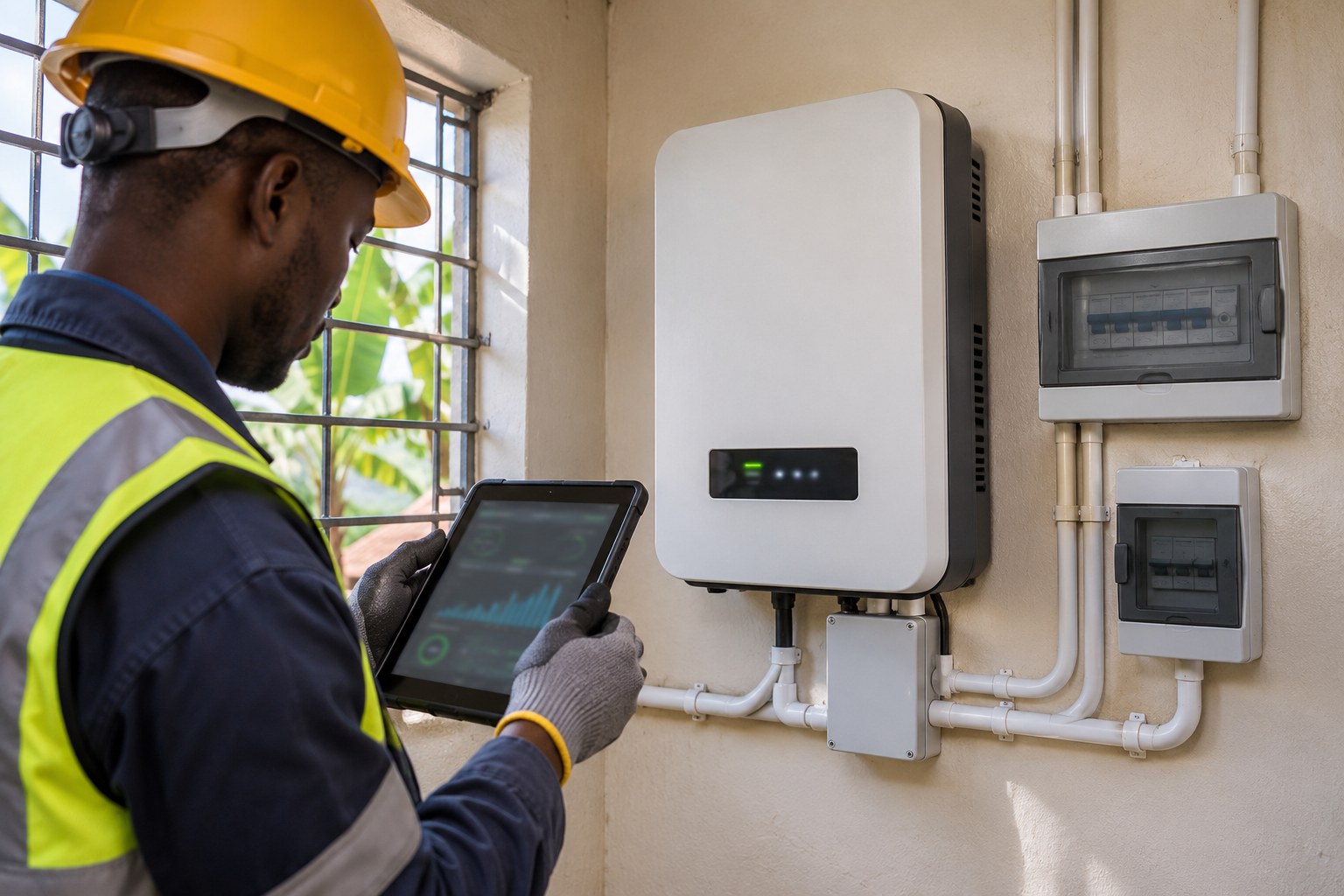
If you are assessing low solar generation troubleshooting, start with the difference between changing conditions and abnormal performance. Compare output with relevant weather, shading and historical operation before concluding that equipment has failed. Persistent deviations still require qualified assessment.
This decision guide was reviewed on 24 November 2026. The worked scenario is illustrative. It is not a measured customer result, an equipment recommendation or a company price offer.
Low solar generation troubleshooting: the decision to resolve
The practical question is whether the proposed arrangement demonstrates the difference between changing conditions and abnormal performance. Begin with the service you need, then ask what evidence would confirm that the proposal can provide it. Avoid replacing that question with a panel count, a product label or an unexplained system-size recommendation.
| Evidence to prepare | How to make the record useful |
|---|---|
| Production history | Provide the actual source record and its date. Distinguish a measurement from an assumption, and identify anything that may change before installation. |
| Weather context | Use the relevant units and operating period. Include the limiting condition as well as the convenient survey-day condition. |
| New shading | Supply model-specific information where equipment is involved. Keep document revisions and the party responsible for confirming the information. |
| Alarm records | State the required service and who approves it. Record unresolved questions so the quotation does not silently treat them as settled facts. |
A worked example for low solar generation troubleshooting
A cloudy week's reduced generation can be normal, while one inverter producing much less than comparable equipment under similar conditions may merit investigation. Compare a suitable reference rather than a single sunny-day expectation.
The lesson is the role of the difference between changing conditions and abnormal performance, not the purchase of a particular product. Replace the scenario assumptions with your own records before making a commitment. Ask the responsible designer to show which conclusion changes when the demand, timing or site condition changes. A sound quotation should make that reasoning visible.
Describe symptoms without presuming the diagnosis
A useful fault report states what happened, when it happened and what the system was doing. Record exact model details, alarm text and relevant recent changes. Those observations help a technician distinguish possible causes. A generic alarm name should not be treated as permission to alter settings or replace a component without assessment.
Also keep the scope of the investigation clear. Low production can reflect weather or shading, while a repeatable abnormal pattern may suggest a different problem. The service provider should explain the evidence for its conclusion and any limitations. If equipment from another installer is involved, allow time to establish the actual configuration and available records. This avoids turning incomplete information into a confident but costly replacement recommendation.
Use monitoring to answer a defined operating question
A monitoring system is most useful when the owner knows what each value means. Generation, consumption, import, export, battery flow and state of charge describe different things. The sensor location and the software's definitions matter. Ask the installer to demonstrate the measurements needed for the customer's actual decisions.
Also check what happens when communications fail. Local data storage, remote alerts and historical export can have different availability. Agree who owns the account and who is authorised to receive alerts. A graph can help detect an unusual trend, but it does not replace appropriate physical testing or establish the cause of every fault. Use the records to support a targeted professional assessment, with timestamps and relevant operating context.
Define an observable acceptance test
Acceptance should demonstrate the service the customer agreed to buy. Identify the test conditions, measurements, responsible witnesses and the evidence that will be retained. A dashboard showing normal status is useful, but it may not prove backup duration, delivered water, temperature continuity or a correctly functioning control sequence.
In practice, the test needs appropriate professional planning. Do not ask a customer to create unsafe faults, alter live wiring or bypass protection. Instead, have competent personnel test the agreed functions through a supported procedure. Record defects and the authority for return to service. If conditions prevent a meaningful performance test on the first visit, document the outstanding verification rather than quietly treating it as complete. A clear acceptance record protects both the buyer and the contractor.
Make expansion a defined design scenario
Future readiness needs a named scenario. Describe the additional equipment, operating hours, location and intended service rather than asking for an unspecified percentage of spare capacity. The relevant constraint may be power, energy, roof space, electrical connection, hydraulic duty or control compatibility.
An installation can have room for more modules while lacking capacity at another interface. Therefore, ask which items support the proposed later phase and which will need reassessment, replacement or further approval. Keep that distinction in the design and quotation. This helps the customer avoid paying now for an undefined capability while also preventing a future contractor from treating an old allowance as blanket permission for any expansion.
Separate the electricity bill into relevant components
Use the customer's actual tariff category and bill history when estimating avoided costs. The average amount paid divided by imported kWh may combine energy charges with other items. A reduction in energy imports does not necessarily remove every charge. Demand-related charges also require attention to when the site's peak occurs.
For example, a PV array may reduce daytime purchases without eliminating an evening demand peak. Show self-consumed energy, approved exports and remaining purchases separately. Use current applicable information from the utility and regulator. Where that evidence is missing, retain a clearly labelled assumption rather than presenting it as the current Kenyan electricity price. A transparent estimate explains the relationship between the physical energy model and the financial calculation.
Further reading: EPRA electricity tariff guidance.
Make normal stops distinguishable from protective stops
A system may stop because it has completed its task, because available input is low or because a protective condition exists. Those are different operating states. Ask the supplier to explain the supported control sequence and the information available to the operator. A single undifferentiated fault light can make responsible service decisions difficult.
Then agree how the important functions will be demonstrated professionally. This may include level supervision, demand control, loss of communications or an approved protective test. Customers should not bypass sensors or force unsafe conditions to see what happens. The handover should explain normal user actions, reporting and escalation. It should also identify which settings and tests remain under the authority of qualified service personnel.
Resolve ownership and access before installation
The physical owner, electricity-account holder, occupier and maintenance decision-maker may be different people. Clarify their roles before work proceeds. A tenant, estate committee or project donor needs an agreed basis for installation access, future inspection, funding and any asset transfer. Energy savings do not automatically settle these responsibilities.
In addition, consider what happens when occupancy or management changes. Equipment records, monitoring access and warranty rights may need an authorised transfer. Avoid a service arrangement that relies solely on one person's private account. Where a lease, ownership agreement or legal obligation requires interpretation, obtain appropriate professional advice. The solar quotation should identify the relevant project responsibilities without pretending to replace the underlying property or governance documents.
Compare installed scope rather than headline package names
Ask each bidder to define the same service boundary. Equipment, mounting, protection, cabling, labour, access, transport, approvals, testing and aftercare can appear in different places in a quotation. An equipment-only price is not directly comparable with a commissioned installation. Missing items can explain a price difference without showing that either option is better value.
Also obtain written exclusions and the basis of any taxes. The quote should identify the exact equipment and the customer's responsibilities. If the site needs roof repairs, civil work, a distribution-board change or additional investigations, establish who prices and approves that work. A useful comparison keeps these differences visible. The goal is a complete agreed service at an understood cost, rather than choosing the smallest number beside a familiar system-size label.
Turn the evidence into a clear go-or-no-go decision
For low solar generation troubleshooting, require an explanation of the difference between changing conditions and abnormal performance in the written proposal. A useful answer connects the project records to a stated service boundary. If essential information is missing, the next decision is to obtain the measurement or professional review that resolves it, rather than choose equipment around an optimistic guess.
- Proceed when the relevant evidence supports the proposed service and the responsible parties have closed material design questions.
- Revise the scope when the worked assumptions do not match the real site, operating pattern or equipment limits.
- Request further assessment when permissions, condition, compatibility or critical-service requirements remain unresolved.
Questions buyers ask
What should I prepare before requesting a quotation?
For this assessment, prepare production history, weather context, new shading and alarm records. Explain the required outcome and any known limitations. Send records from safe accessible sources; a qualified person should collect hazardous measurements or inspect restricted equipment.
What matters most when comparing low solar generation troubleshooting?
Compare output with relevant weather, shading and historical operation before concluding that equipment has failed. Persistent deviations still require qualified assessment. Compare the alternatives against the same defined service and ask for model-specific supporting evidence. Where proposals use different assumptions, have those differences made explicit before comparing totals.
Can I use the worked example as my final design or price?
No. The example explains a decision method and uses stated assumptions. Your site may have different operating conditions, equipment limits and scope. A final design and quotation need the relevant assessment, written inclusions and applicable approvals.
Prepare your project-specific enquiry
Review our solar repairs and troubleshooting information, then request a site survey with the records listed above. For low solar generation troubleshooting, explain the required outcome, the property location and the operating constraints. Ask for a written scope, assumptions and exclusions before you commit to equipment.
The solar calculator can help organise a preliminary energy enquiry. Treat its result as an estimate and supply actual load and site records for the final assessment.
Reference: EPRA renewable-energy licensing information.
Reference: National Laboratory of the Rockies: photovoltaic performance modelling.