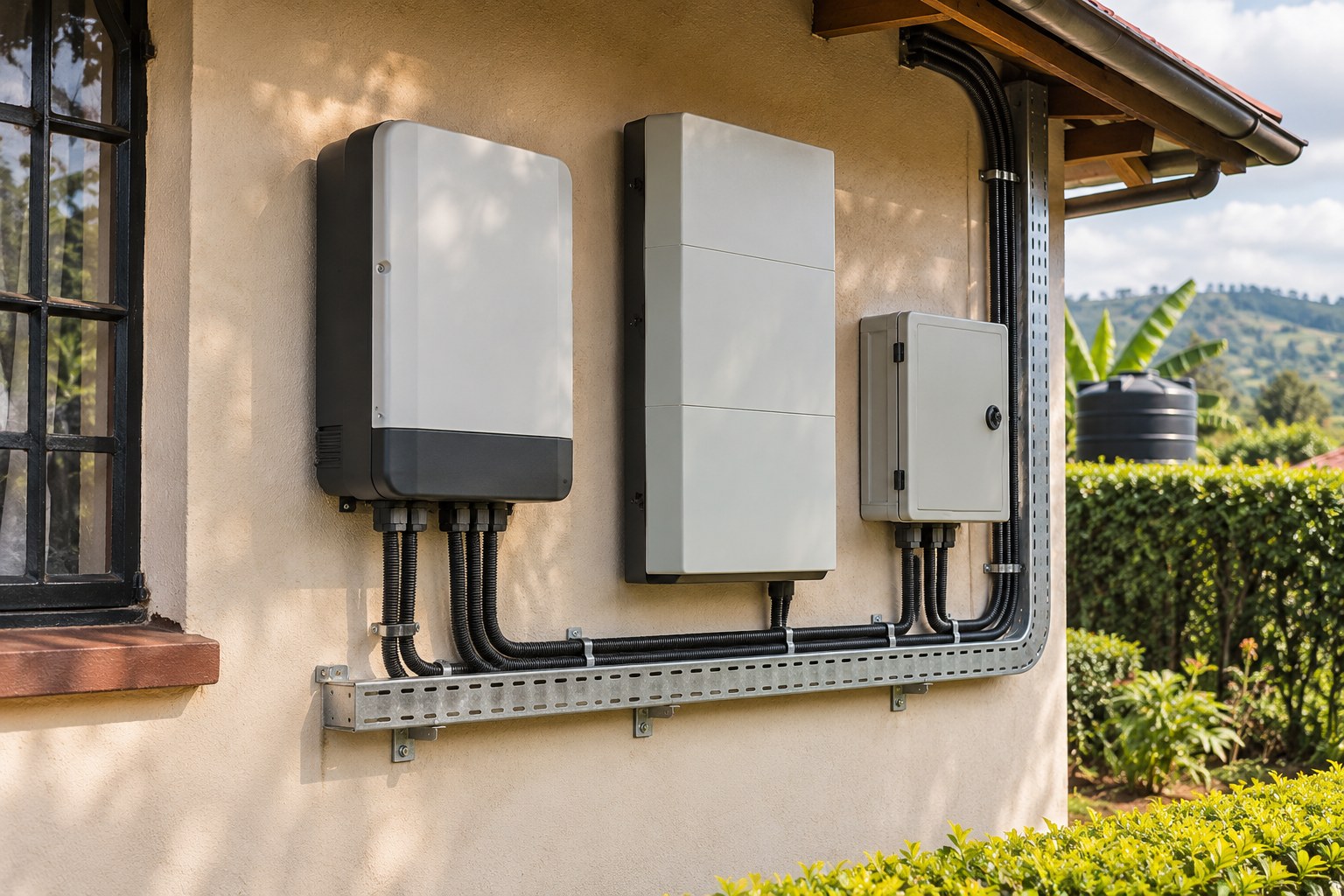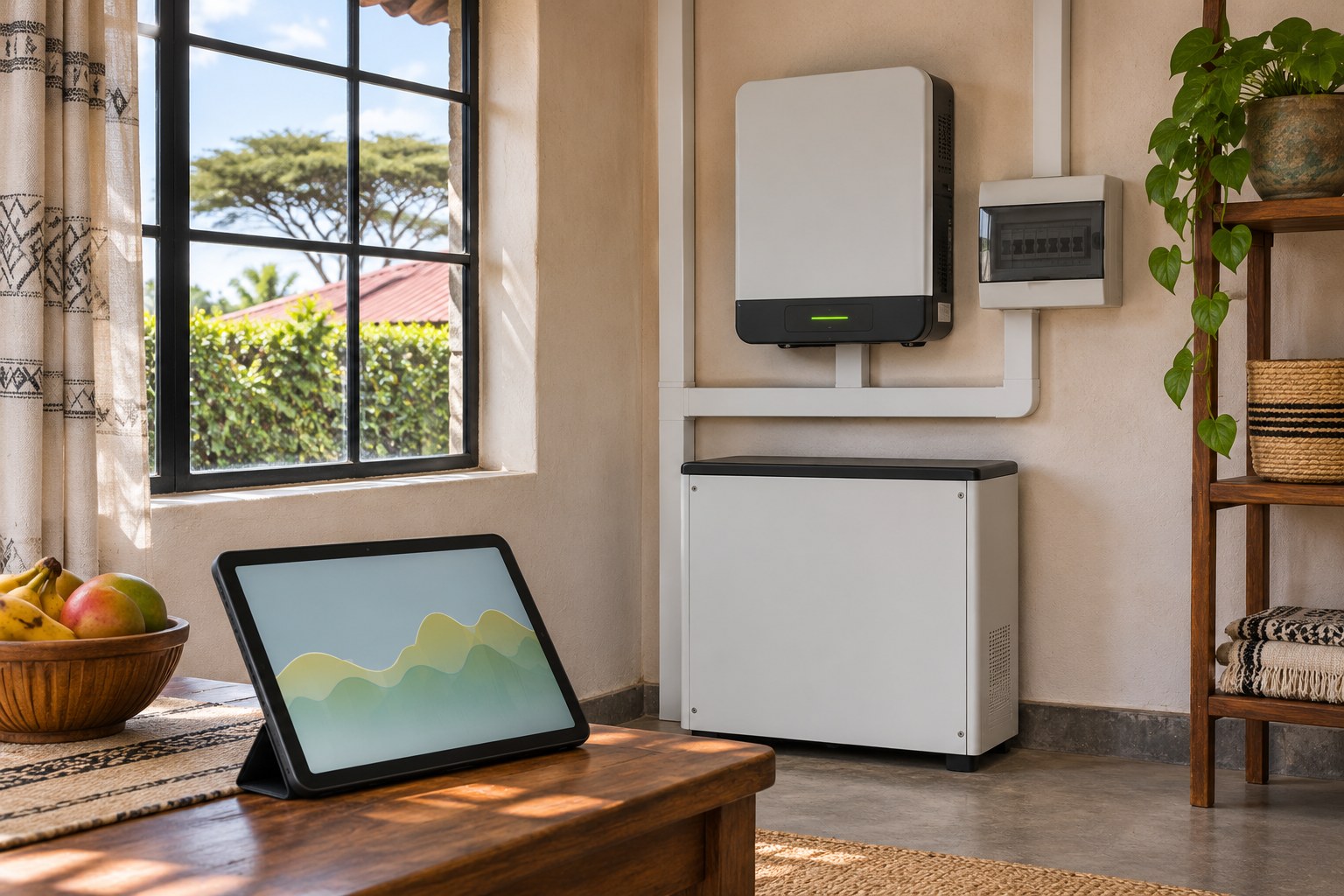
If you are assessing solar health report before buying property, start with technical condition and clear ownership at transfer. Check ownership, condition, equipment support, warranties and monitoring transfer alongside current performance. Installed capacity is not proof of remaining value or serviceability.
This decision guide was reviewed on 24 November 2026. The worked scenario is illustrative. It is not a measured customer result, an equipment recommendation or a company price offer.
Solar health report before buying property: the decision to resolve
The practical question is whether the proposed arrangement demonstrates technical condition and clear ownership at transfer. Begin with the service you need, then ask what evidence would confirm that the proposal can provide it. Avoid replacing that question with a panel count, a product label or an unexplained system-size recommendation.
| Evidence to prepare | How to make the record useful |
|---|---|
| Asset title | Provide the actual source record and its date. Distinguish a measurement from an assumption, and identify anything that may change before installation. |
| Condition report | Use the relevant units and operating period. Include the limiting condition as well as the convenient survey-day condition. |
| Warranty transfer | Supply model-specific information where equipment is involved. Keep document revisions and the party responsible for confirming the information. |
| Operating records | State the required service and who approves it. Record unresolved questions so the quotation does not silently treat them as settled facts. |
A worked example for solar health report before buying property
A house sale may include visible panels while finance or account-ownership terms affect other equipment. Establish what is being transferred before valuing the solar installation as part of the property.
The lesson is the role of technical condition and clear ownership at transfer, not the purchase of a particular product. Replace the scenario assumptions with your own records before making a commitment. Ask the responsible designer to show which conclusion changes when the demand, timing or site condition changes. A sound quotation should make that reasoning visible.
Describe symptoms without presuming the diagnosis
A useful fault report states what happened, when it happened and what the system was doing. Record exact model details, alarm text and relevant recent changes. Those observations help a technician distinguish possible causes. A generic alarm name should not be treated as permission to alter settings or replace a component without assessment.
Also keep the scope of the investigation clear. Low production can reflect weather or shading, while a repeatable abnormal pattern may suggest a different problem. The service provider should explain the evidence for its conclusion and any limitations. If equipment from another installer is involved, allow time to establish the actual configuration and available records. This avoids turning incomplete information into a confident but costly replacement recommendation.
Make normal stops distinguishable from protective stops
A system may stop because it has completed its task, because available input is low or because a protective condition exists. Those are different operating states. Ask the supplier to explain the supported control sequence and the information available to the operator. A single undifferentiated fault light can make responsible service decisions difficult.
Then agree how the important functions will be demonstrated professionally. This may include level supervision, demand control, loss of communications or an approved protective test. Customers should not bypass sensors or force unsafe conditions to see what happens. The handover should explain normal user actions, reporting and escalation. It should also identify which settings and tests remain under the authority of qualified service personnel.
Separate asset condition from the wish for an upgrade
An upgrade and a repair solve different problems. A failed component may need replacement, but a larger system is not automatically the right response. Establish the existing condition, supported configuration and actual service shortfall first. This helps the customer distinguish a necessary intervention from optional additional capability.
For a battery or inverter change, compare the retained equipment's compatibility, age, support and warranty with the proposed replacement. A broader redesign may be justified, but the explanation should identify why. Ask which tests support the diagnosis and which new operating conditions will be demonstrated. The resulting quotation should state the removed and retained assets clearly, including any responsible disposal and updated handover records.
Price maintenance as an operating service
Maintenance needs a scope, not just a visit count. Distinguish visual inspection, testing, cleaning, monitoring review, adjustments by authorised personnel and repair work. State whether access equipment, travel, parts and emergency attendance are included. The appropriate programme depends on the installation and its documented requirements.
Then connect the visit to a useful report. Findings, measurements, defects, recommended actions and completed work should identify the relevant assets. Keep the records with the handover file. This allows the owner to compare performance over time and follow warranty conditions. It also makes the difference between planned preventive work and an unplanned repair clear. Avoid promising that routine maintenance eliminates all faults or extends every component's life by a fixed number of years.
Keep removed equipment in a traceable disposal chain
When batteries or electrical equipment leave the site, identify who takes custody and what record the owner receives. The new product's delivery note is not evidence of responsible handling of the old one. Ask for the appropriate collection or disposal documentation and use suitable authorised operators for the relevant waste.
The record should distinguish reuse, repair, return to supplier and disposal where those apply. Avoid unsupported claims that a removed asset has been recycled simply because it was collected. Keep the transfer evidence with the service or replacement file. NEMA's published guidance identifies batteries and electronic waste among the materials that require appropriate handling; confirm the applicable current requirements for the actual waste stream.
Further reading: NEMA: appropriate handling of batteries and electronic waste.
Keep customer decisions separate from hazardous technical work
A customer can define needs, inspect documents and report observed symptoms without opening equipment or changing protective settings. Work on live circuits, high-voltage batteries, roofs, pressurised systems and other hazardous installations requires the appropriate qualified personnel and a safe method. A buying guide should not turn a design question into an improvised repair instruction.
For existing faults, record alarms, times and normal operating conditions from safe accessible interfaces. Report visible damage or unusual behaviour through the agreed service route. Follow the approved emergency instructions if the situation presents an immediate hazard. During procurement, ask for the professional test and commissioning evidence that relates to the actual installation. This gives the owner useful assurance without asking them to perform unsafe demonstrations.
Control substitutions and unresolved assumptions
A procurement comparison is stronger when every bidder responds to the same assumptions. List the required service, proposed operating conditions and acceptance evidence. Ask bidders to mark departures clearly. Otherwise a lower price may describe a smaller duty, a different warranty or an omitted supporting component.
After selection, keep a written change process. A replacement model can alter dimensions, controls, support or performance. It should not enter the project merely because its headline rating looks similar. Obtain the revised documents and the responsible designer's approval where appropriate. Also close important survey uncertainties before irreversible purchasing decisions. This reduces later arguments about whether the original quote included the work needed to deliver the actual service.
Confirm the logistics for the actual property
A county or town name is not a complete service brief. Provide the exact property location, access arrangements and any restrictions that affect a survey or installation. Confirm availability, travel terms and responsibilities directly with the business. Do not assume a local office, fixed travel charge or guaranteed attendance time from a regional marketing label.
For farms and remote properties, road conditions, equipment delivery and access for future maintenance deserve early attention. For urban sites, occupancy, security checks and working hours can be equally important. Record these constraints in the project brief so the quotation reflects the real visit. The useful outcome is a practical survey and delivery plan, not a near-duplicate location article promising the same package everywhere.
Turn the evidence into a clear go-or-no-go decision
For solar health report before buying property, require an explanation of technical condition and clear ownership at transfer in the written proposal. A useful answer connects the project records to a stated service boundary. If essential information is missing, the next decision is to obtain the measurement or professional review that resolves it, rather than choose equipment around an optimistic guess.
- Proceed when the relevant evidence supports the proposed service and the responsible parties have closed material design questions.
- Revise the scope when the worked assumptions do not match the real site, operating pattern or equipment limits.
- Request further assessment when permissions, condition, compatibility or critical-service requirements remain unresolved.
Questions buyers ask
What should I prepare before requesting a quotation?
For this assessment, prepare asset title, condition report, warranty transfer and operating records. Explain the required outcome and any known limitations. Send records from safe accessible sources; a qualified person should collect hazardous measurements or inspect restricted equipment.
What matters most when comparing solar health report before buying property?
Check ownership, condition, equipment support, warranties and monitoring transfer alongside current performance. Installed capacity is not proof of remaining value or serviceability. Compare the alternatives against the same defined service and ask for model-specific supporting evidence. Where proposals use different assumptions, have those differences made explicit before comparing totals.
Can I use the worked example as my final design or price?
No. The example explains a decision method and uses stated assumptions. Your site may have different operating conditions, equipment limits and scope. A final design and quotation need the relevant assessment, written inclusions and applicable approvals.
Prepare your project-specific enquiry
Review our solar system health checks and monitoring setup information, then request a site survey with the records listed above. For solar health report before buying property, explain the required outcome, the property location and the operating constraints. Ask for a written scope, assumptions and exclusions before you commit to equipment.
The solar calculator can help organise a preliminary energy enquiry. Treat its result as an estimate and supply actual load and site records for the final assessment.
Reference: EPRA renewable-energy licensing information.
Reference: National Laboratory of the Rockies: photovoltaic performance modelling.