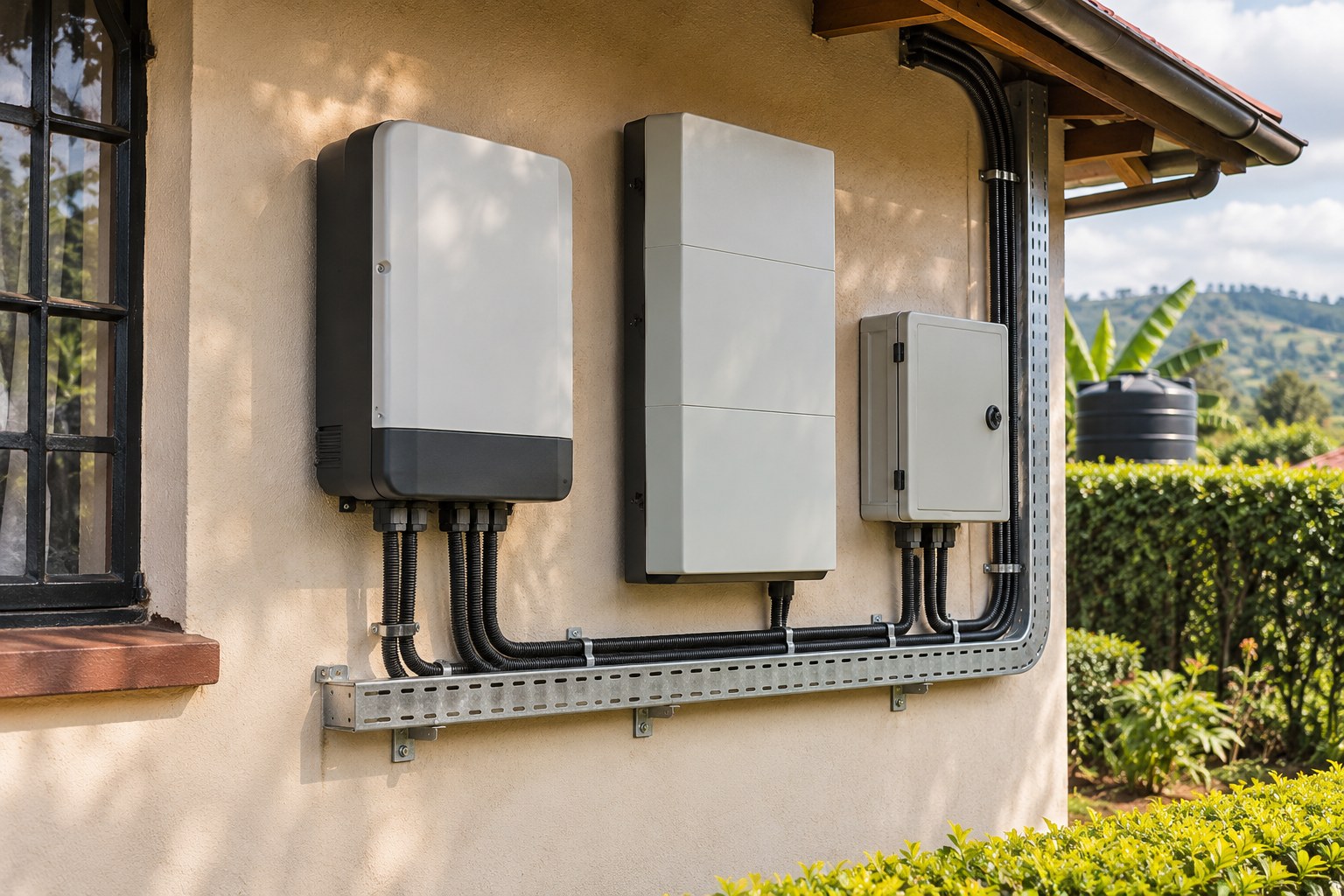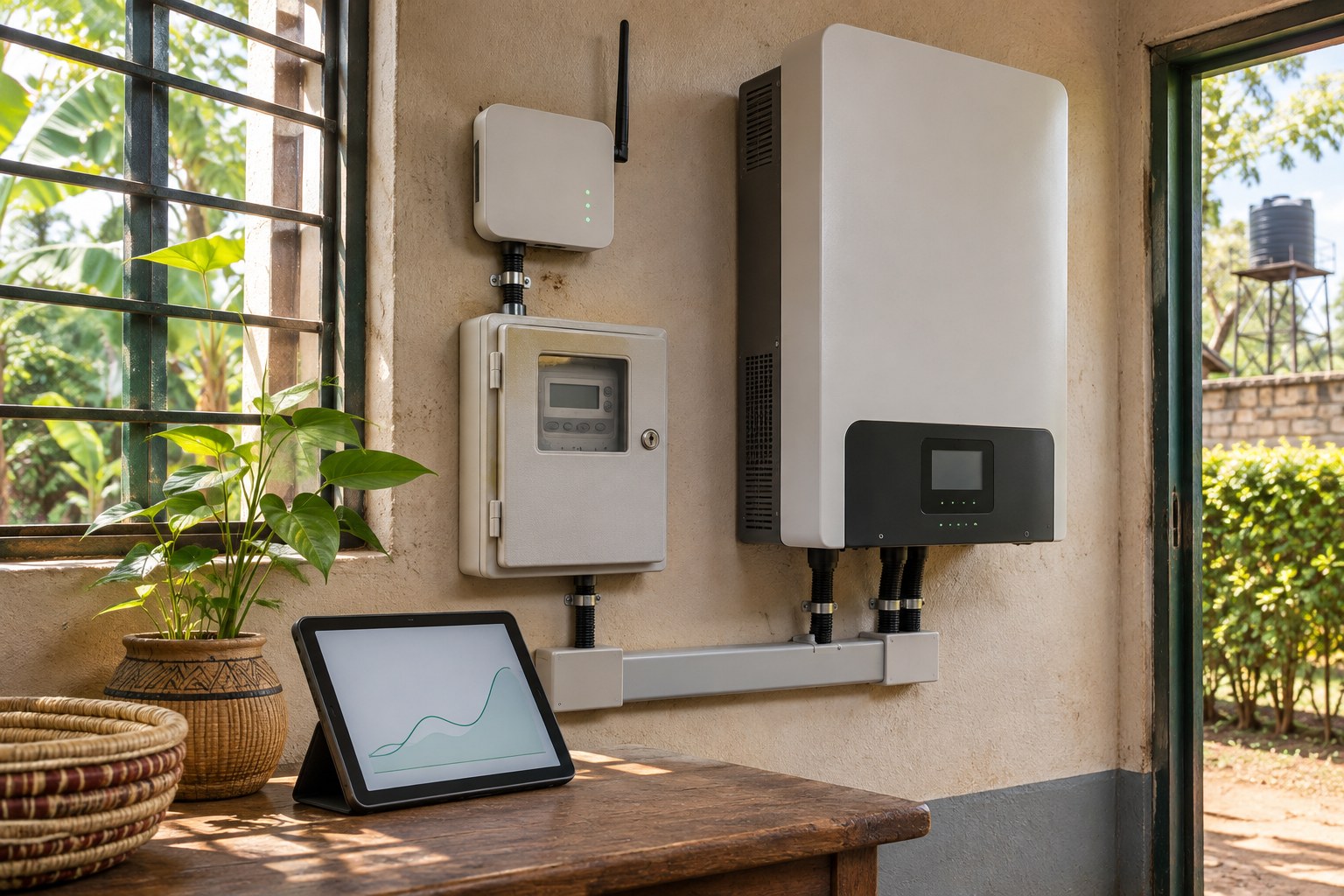
If you are assessing solar production meter readings, start with the physical meaning of each measurement. Identify the meter's location, direction and measurement boundary. Generation, grid import, export and battery flow are different quantities.
This decision guide was reviewed on 24 November 2026. The worked scenario is illustrative. It is not a measured customer result, an equipment recommendation or a company price offer.
Solar production meter readings: the decision to resolve
The practical question is whether the proposed arrangement demonstrates the physical meaning of each measurement. Begin with the service you need, then ask what evidence would confirm that the proposal can provide it. Avoid replacing that question with a panel count, a product label or an unexplained system-size recommendation.
| Evidence to prepare | How to make the record useful |
|---|---|
| Meter position | Provide the actual source record and its date. Distinguish a measurement from an assumption, and identify anything that may change before installation. |
| Direction convention | Use the relevant units and operating period. Include the limiting condition as well as the convenient survey-day condition. |
| AC or DC boundary | Supply model-specific information where equipment is involved. Keep document revisions and the party responsible for confirming the information. |
| Time interval | State the required service and who approves it. Record unresolved questions so the quotation does not silently treat them as settled facts. |
A worked example for solar production meter readings
A generation meter reporting 20 kWh does not establish that the site avoided 20 kWh of grid imports. Some generation may charge storage, export with approval or incur losses before serving the loads.
The lesson is the role of the physical meaning of each measurement, not the purchase of a particular product. Replace the scenario assumptions with your own records before making a commitment. Ask the responsible designer to show which conclusion changes when the demand, timing or site condition changes. A sound quotation should make that reasoning visible.
Keep data intervals, timestamps and meter boundaries consistent
A useful operating record identifies the quantity, measurement point, units and time basis. Import, generation, export and storage flow should not be mixed casually. If different files use different timezones or intervals, align them before comparing the values. Otherwise a calculation can assign production to the wrong consumption period.
Next, check for gaps, resets, duplicated readings or estimates. Preserve the original export and explain how any cleaning or aggregation was done. This is especially important when data support a savings, warranty or performance claim. A chart is a helpful presentation, but the underlying records make the conclusion auditable. Ask for export access and a retention arrangement that survives a change of staff or service provider.
Make normal stops distinguishable from protective stops
A system may stop because it has completed its task, because available input is low or because a protective condition exists. Those are different operating states. Ask the supplier to explain the supported control sequence and the information available to the operator. A single undifferentiated fault light can make responsible service decisions difficult.
Then agree how the important functions will be demonstrated professionally. This may include level supervision, demand control, loss of communications or an approved protective test. Customers should not bypass sensors or force unsafe conditions to see what happens. The handover should explain normal user actions, reporting and escalation. It should also identify which settings and tests remain under the authority of qualified service personnel.
Keep one auditable version of the project budget
A useful budget separates the agreed base scope from provisional items, optional improvements and exclusions. Record the quotation date, currency, tax basis, validity and payment milestones. If a figure is an educational assumption, label it as such. Do not convert it into a claimed company price or market average without supporting evidence.
As survey findings change, revise the budget visibly. A roof repair, longer cable route or revised water duty can alter the project for legitimate reasons. Keep the customer's approved changes together with the final equipment and commissioning scope. This allows the customer to compare the delivered service with the original decision, instead of discovering at handover that important supporting work was never included in the headline figure.
Plan access for the life of the installation
Installation access and maintenance access are not always the same. Equipment may be easy to position during construction but difficult to inspect or replace later. Ask how authorised personnel will reach the relevant assets, isolate them safely and carry out the expected service work. Include any necessary access equipment in the cost comparison.
Also consider ordinary use of the property. Vehicle routes, roof access, water collection, storage areas and emergency paths should remain appropriate to the building or site. A layout that maximises equipment count may still be poor if it obstructs these functions. Have the responsible specialists coordinate the arrangement before purchase. This protects the usefulness of the installed system and avoids discovering an expensive access problem at the first maintenance visit.
Control substitutions and unresolved assumptions
A procurement comparison is stronger when every bidder responds to the same assumptions. List the required service, proposed operating conditions and acceptance evidence. Ask bidders to mark departures clearly. Otherwise a lower price may describe a smaller duty, a different warranty or an omitted supporting component.
After selection, keep a written change process. A replacement model can alter dimensions, controls, support or performance. It should not enter the project merely because its headline rating looks similar. Obtain the revised documents and the responsible designer's approval where appropriate. Also close important survey uncertainties before irreversible purchasing decisions. This reduces later arguments about whether the original quote included the work needed to deliver the actual service.
Check professional responsibility and applicable permissions
Ask who is responsible for the professional design, installation and commissioning work and verify the relevant current authorisation. The appropriate competence depends on the activity and project. A company's marketing description is not a substitute for the supporting registration or licence information.
Also separate the equipment supplier's role from utility, water-resource, structural or other approvals that may apply. Buying equipment does not grant those permissions. Record any unresolved requirement in the project programme and establish who obtains it. Do not assume a standard approval time or claim a licence class that has not been verified. The regulator's published information is the starting point for checking the current applicable process.
Further reading: EPRA renewable-energy licensing information.
Keep removed equipment in a traceable disposal chain
When batteries or electrical equipment leave the site, identify who takes custody and what record the owner receives. The new product's delivery note is not evidence of responsible handling of the old one. Ask for the appropriate collection or disposal documentation and use suitable authorised operators for the relevant waste.
The record should distinguish reuse, repair, return to supplier and disposal where those apply. Avoid unsupported claims that a removed asset has been recycled simply because it was collected. Keep the transfer evidence with the service or replacement file. NEMA's published guidance identifies batteries and electronic waste among the materials that require appropriate handling; confirm the applicable current requirements for the actual waste stream.
Further reading: NEMA: appropriate handling of batteries and electronic waste.
Compare installed scope rather than headline package names
Ask each bidder to define the same service boundary. Equipment, mounting, protection, cabling, labour, access, transport, approvals, testing and aftercare can appear in different places in a quotation. An equipment-only price is not directly comparable with a commissioned installation. Missing items can explain a price difference without showing that either option is better value.
Also obtain written exclusions and the basis of any taxes. The quote should identify the exact equipment and the customer's responsibilities. If the site needs roof repairs, civil work, a distribution-board change or additional investigations, establish who prices and approves that work. A useful comparison keeps these differences visible. The goal is a complete agreed service at an understood cost, rather than choosing the smallest number beside a familiar system-size label.
Turn the evidence into a clear go-or-no-go decision
For solar production meter readings, require an explanation of the physical meaning of each measurement in the written proposal. A useful answer connects the project records to a stated service boundary. If essential information is missing, the next decision is to obtain the measurement or professional review that resolves it, rather than choose equipment around an optimistic guess.
- Proceed when the relevant evidence supports the proposed service and the responsible parties have closed material design questions.
- Revise the scope when the worked assumptions do not match the real site, operating pattern or equipment limits.
- Request further assessment when permissions, condition, compatibility or critical-service requirements remain unresolved.
Questions buyers ask
What should I prepare before requesting a quotation?
For this assessment, prepare meter position, direction convention, AC or DC boundary and time interval. Explain the required outcome and any known limitations. Send records from safe accessible sources; a qualified person should collect hazardous measurements or inspect restricted equipment.
What matters most when comparing solar production meter readings?
Identify the meter's location, direction and measurement boundary. Generation, grid import, export and battery flow are different quantities. Compare the alternatives against the same defined service and ask for model-specific supporting evidence. Where proposals use different assumptions, have those differences made explicit before comparing totals.
Can I use the worked example as my final design or price?
No. The example explains a decision method and uses stated assumptions. Your site may have different operating conditions, equipment limits and scope. A final design and quotation need the relevant assessment, written inclusions and applicable approvals.
Prepare your project-specific enquiry
Review our solar monitoring equipment information, then request a site survey with the records listed above. For solar production meter readings, explain the required outcome, the property location and the operating constraints. Ask for a written scope, assumptions and exclusions before you commit to equipment.
The solar calculator can help organise a preliminary energy enquiry. Treat its result as an estimate and supply actual load and site records for the final assessment.