If you are assessing retail lighting solar savings, start with efficiency improvements before generation sizing. Separate opening hours, display lighting, refrigeration and overnight security. Lighting efficiency changes the solar load that should be modelled.
This decision guide was reviewed on 24 November 2026. The worked scenario is illustrative. It is not a measured customer result, an equipment recommendation or a company price offer.
Retail lighting solar savings: the decision to resolve
The practical question is whether the proposed arrangement demonstrates efficiency improvements before generation sizing. Begin with the service you need, then ask what evidence would confirm that the proposal can provide it. Avoid replacing that question with a panel count, a product label or an unexplained system-size recommendation.
| Evidence to prepare | How to make the record useful |
|---|---|
| Lighting schedule | Provide the actual source record and its date. Distinguish a measurement from an assumption, and identify anything that may change before installation. |
| Daylight contribution | Use the relevant units and operating period. Include the limiting condition as well as the convenient survey-day condition. |
| Refrigeration base load | Supply model-specific information where equipment is involved. Keep document revisions and the party responsible for confirming the information. |
| Trading hours | State the required service and who approves it. Record unresolved questions so the quotation does not silently treat them as settled facts. |
A worked example for retail lighting solar savings
Reducing an assumed lighting load from 2 kW to 1.2 kW over ten hours saves 8 kWh daily before any solar contribution. Model the improved load rather than crediting that efficiency saving to the PV installation.
The lesson is the role of efficiency improvements before generation sizing, not the purchase of a particular product. Replace the scenario assumptions with your own records before making a commitment. Ask the responsible designer to show which conclusion changes when the demand, timing or site condition changes. A sound quotation should make that reasoning visible.
Agree a fair baseline before claiming savings
A baseline describes the service and consumption against which a change will be assessed. Record the period, meter boundaries, operating activity and known unusual events before work starts. Otherwise a later bill reduction can be attributed to the wrong cause. Lower occupancy, fewer production hours or a change in tariff can alter the result independently of solar.
Therefore, agree how the comparison will handle such changes. A factory may need production data; a lodge may need occupied room-nights; a pumping project may need delivered water volume and head. Select a measure that reflects the actual service. Report missing data and uncertainty rather than filling gaps with an optimistic assumption. This makes performance review more useful to the customer and prevents an attractive headline from hiding a weak comparison.
Match generation to the load timetable
Solar generation changes through the day, while customers use energy on their own schedules. Compare the two profiles instead of subtracting an annual production estimate from annual consumption. The timing matters even when the totals look similar. A large midday surplus cannot automatically supply a load that operates much later.
For a grid-connected installation, unused production may need approved export, supported storage or curtailment. For an independent installation, the energy balance needs an alternative response when demand exceeds supply. Identify flexible loads that can move into daylight without disrupting the service they provide. Also keep genuinely time-sensitive loads separate. Scheduling can improve utilisation, but it should not compromise security, clinical care, product quality or an approved production process.
Further reading: National Laboratory of the Rockies: photovoltaic performance modelling.
Tie commissioning results to identified equipment
Commissioning records should identify the installation, the relevant equipment, the date and the person responsible. Measurements and tests need an appropriate professional method and a clear acceptance basis. A generic form with unexplained ticks provides less useful evidence than results tied to the actual system and its design requirements.
Keep unresolved findings visible. If an item needs correction or later verification, record who owns the action and when it will be closed. The customer should understand whether the system is accepted, accepted with agreed outstanding items or not yet ready for normal service. This does not require the owner to repeat hazardous tests. It requires a coherent record that supports safe operation, later maintenance and accountability for the installed work.
Assess environmental exposure rather than using a location stereotype
Coastal and other exposed sites need an assessment of the actual environment, materials and maintenance access. Salt, wind, moisture and corrosion risk can differ substantially between properties in the same region. Ask for supplier evidence and a project-specific review of the proposed materials and fixing arrangement.
In particular, compatible materials, coatings and fasteners belong in the specification. A generic phrase such as marine grade does not explain every component or warranty condition. The owner should understand the required inspection and maintenance plan as well as the initial purchase. Avoid inventing a local weather measurement or assigning an exposure category without evidence. A useful regional guide helps the buyer prepare questions for the specific site assessment.
Judge cleaning against site conditions and a fair comparison
Cleaning requirements vary with exposure, manufacturer guidance and safe access. Dust, deposits and local conditions do not affect every array equally. Use inspection findings and relevant operating records to decide whether an intervention is justified. A fixed interval copied from another roof is not evidence of the appropriate schedule for this one.
If production is compared before and after cleaning, account for the change in solar conditions and any other work performed. A sunnier day can improve output independently of cleaning. Keep the scope clear: surface cleaning is not automatically a complete electrical inspection or repair. Qualified contractors should define safe access and the approved method, while the customer receives useful evidence of completed work and any defects observed.
Confirm the logistics for the actual property
A county or town name is not a complete service brief. Provide the exact property location, access arrangements and any restrictions that affect a survey or installation. Confirm availability, travel terms and responsibilities directly with the business. Do not assume a local office, fixed travel charge or guaranteed attendance time from a regional marketing label.
For farms and remote properties, road conditions, equipment delivery and access for future maintenance deserve early attention. For urban sites, occupancy, security checks and working hours can be equally important. Record these constraints in the project brief so the quotation reflects the real visit. The useful outcome is a practical survey and delivery plan, not a near-duplicate location article promising the same package everywhere.
Price maintenance as an operating service
Maintenance needs a scope, not just a visit count. Distinguish visual inspection, testing, cleaning, monitoring review, adjustments by authorised personnel and repair work. State whether access equipment, travel, parts and emergency attendance are included. The appropriate programme depends on the installation and its documented requirements.
Then connect the visit to a useful report. Findings, measurements, defects, recommended actions and completed work should identify the relevant assets. Keep the records with the handover file. This allows the owner to compare performance over time and follow warranty conditions. It also makes the difference between planned preventive work and an unplanned repair clear. Avoid promising that routine maintenance eliminates all faults or extends every component's life by a fixed number of years.
Read the remedy and claim conditions
A warranty length is only part of the comparison. Identify the responsible party, the covered component, operating conditions, exclusions and the remedy. Equipment defects, installation workmanship and performance undertakings can belong to different documents. Transport, access, diagnosis and replacement labour may also receive different treatment.
Before purchase, ask how a claim would proceed at the actual site. Keep serial numbers, invoices, commissioning records and maintenance evidence in the required form. Also consider the operating consequence while a claim is assessed. A long warranty does not by itself promise rapid restoration of service. Where continuity matters, discuss a separately defined support or temporary-supply arrangement. Never assume that a generic brochure overrides the specific terms supplied with the proposed equipment.
Turn the evidence into a clear go-or-no-go decision
For retail lighting solar savings, require an explanation of efficiency improvements before generation sizing in the written proposal. A useful answer connects the project records to a stated service boundary. If essential information is missing, the next decision is to obtain the measurement or professional review that resolves it, rather than choose equipment around an optimistic guess.
- Proceed when the relevant evidence supports the proposed service and the responsible parties have closed material design questions.
- Revise the scope when the worked assumptions do not match the real site, operating pattern or equipment limits.
- Request further assessment when permissions, condition, compatibility or critical-service requirements remain unresolved.
Questions buyers ask
What should I prepare before requesting a quotation?
For this assessment, prepare lighting schedule, daylight contribution, refrigeration base load and trading hours. Explain the required outcome and any known limitations. Send records from safe accessible sources; a qualified person should collect hazardous measurements or inspect restricted equipment.
What matters most when comparing retail lighting solar savings?
Separate opening hours, display lighting, refrigeration and overnight security. Lighting efficiency changes the solar load that should be modelled. Compare the alternatives against the same defined service and ask for model-specific supporting evidence. Where proposals use different assumptions, have those differences made explicit before comparing totals.
Can I use the worked example as my final design or price?
No. The example explains a decision method and uses stated assumptions. Your site may have different operating conditions, equipment limits and scope. A final design and quotation need the relevant assessment, written inclusions and applicable approvals.
Prepare your project-specific enquiry
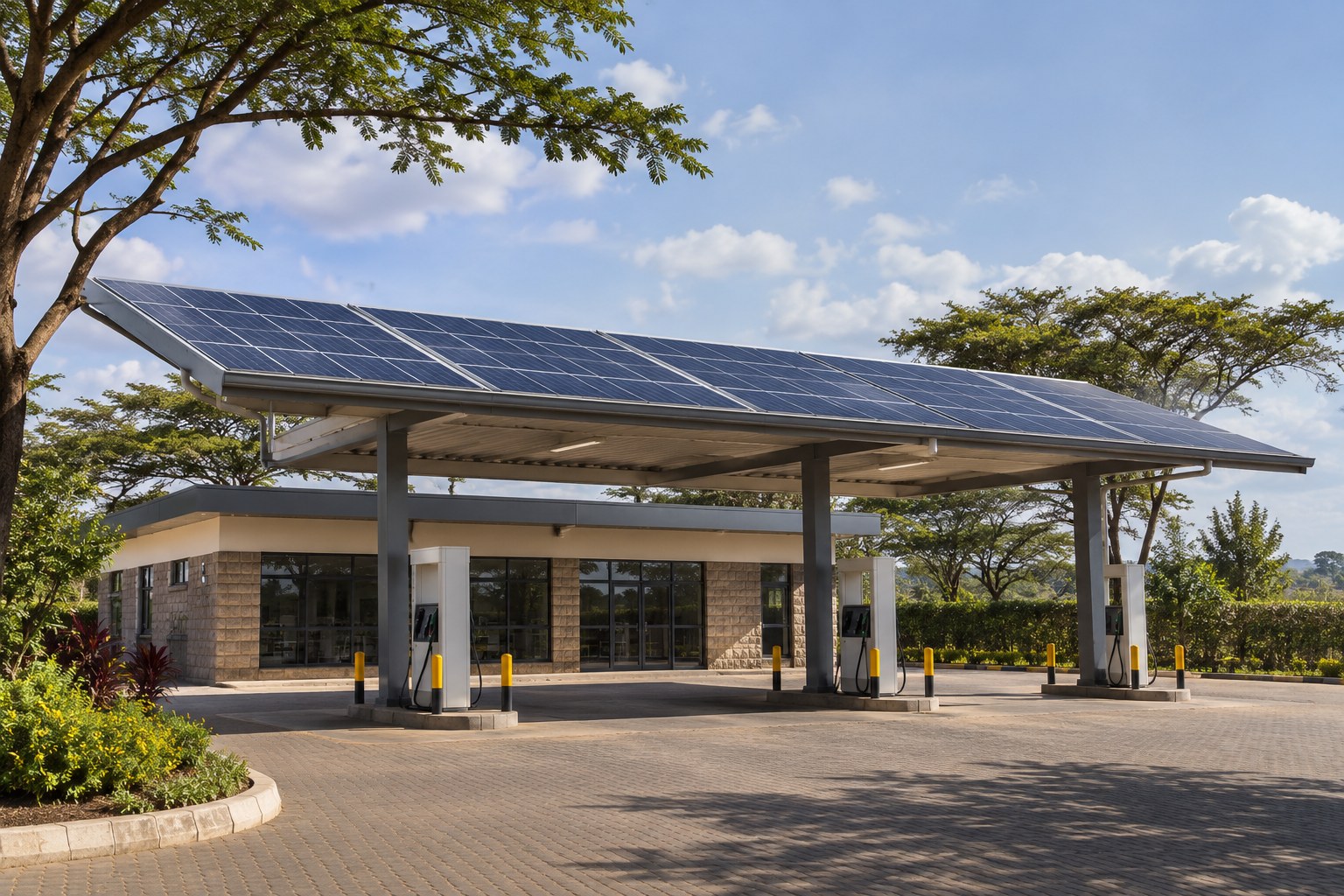
Review our solar for petrol stations and retail information, then request a site survey with the records listed above. For retail lighting solar savings, explain the required outcome, the property location and the operating constraints. Ask for a written scope, assumptions and exclusions before you commit to equipment.
The solar calculator can help organise a preliminary energy enquiry. Treat its result as an estimate and supply actual load and site records for the final assessment.
Reference: EPRA renewable-energy licensing information.